
The Frozen Date
Imagine you could stop time on the afternoon of the fourteenth of July, 1789, in the instant the crowd poured…
Cities examined through land use, housing, mobility, infrastructure and public space. ArchUp considers how planning decisions influence everyday life, urban growth and the relationship between existing neighbourhoods and new development.
Follow planning and development news, study urban projects and infrastructure construction, and explore the evidence discussed in architectural research.

Imagine you could stop time on the afternoon of the fourteenth of July, 1789, in the instant the crowd poured…
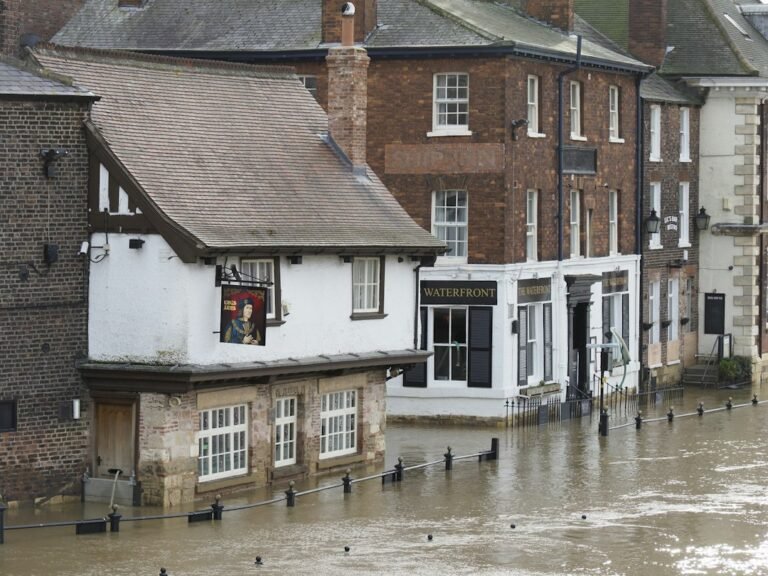
New Dutch water-depth maps show how extreme rainfall can expose hospitals and other vital buildings to street-level flood risks.
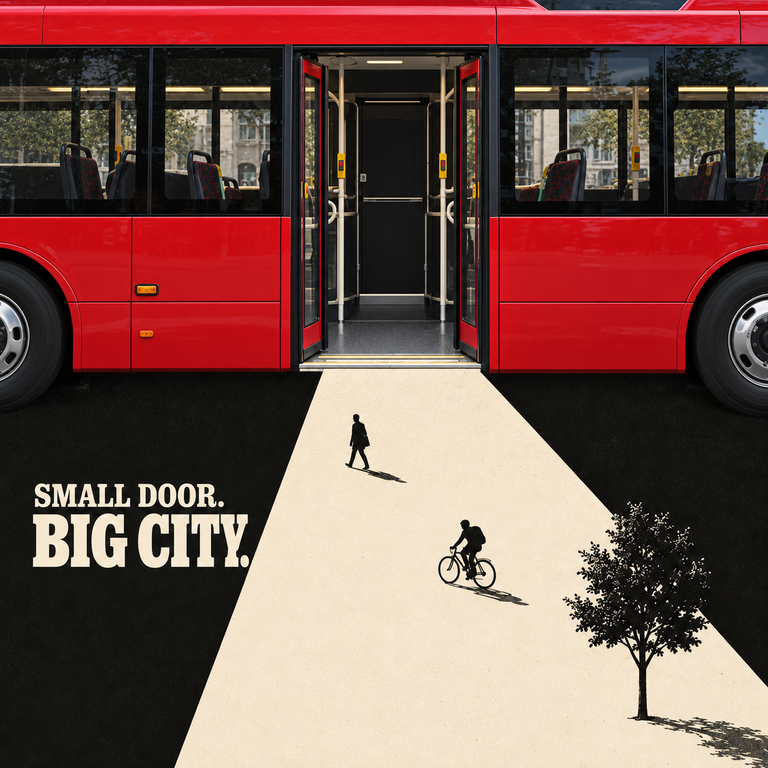
A bus door configuration serves as a foundational element of urban design, significantly influencing transit efficiency and street space. Multi-door…

Engineering Rebellion Against the Rigid GridMidosuji leaves little room for interpretation. Osaka’s most famous boulevard runs in a perfectly straight…
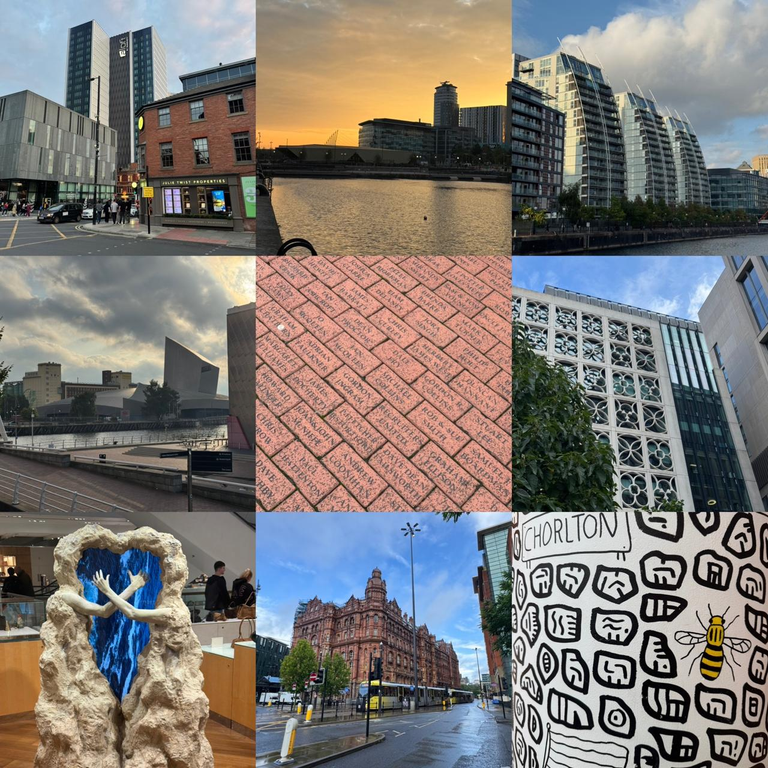
Manchester features a distinct architectural identity defined by the interplay between its Victorian industrial heritage and modern post-industrial regeneration. The…

I noticed it before the plane even pushed back. Boarding, I counted the pregnant women, and I stopped counting at…
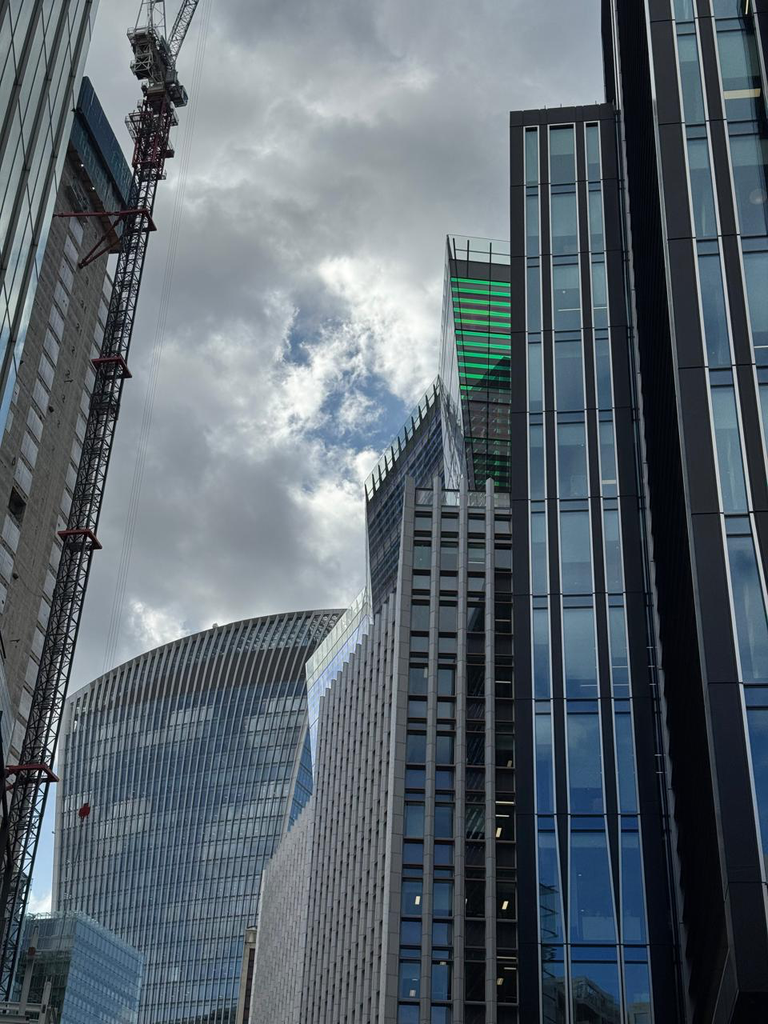
A twenty-year photographic comparison reveals how London evolved between 2006 and 2026. While iconic landmarks like Big Ben remained preserved,…
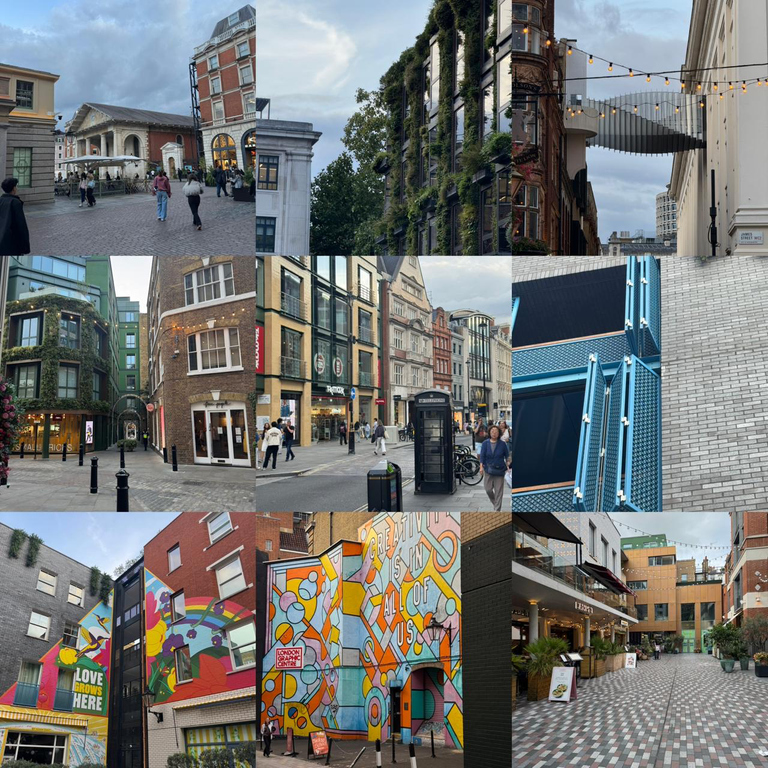
The Yards is an urban design project occupying over five acres in London’s Covent Garden. Rather than acting as a…
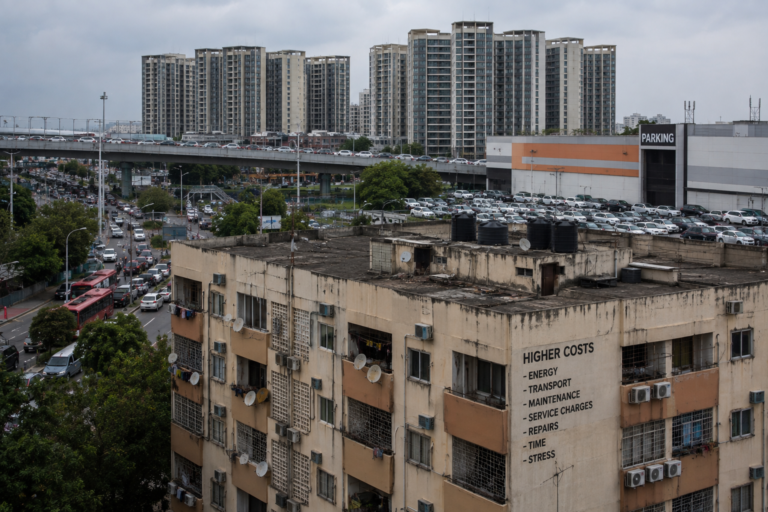
Beyond basic rent, housing costs include hidden expenses driven by architectural and planning decisions. This poverty premium forces low-income households…
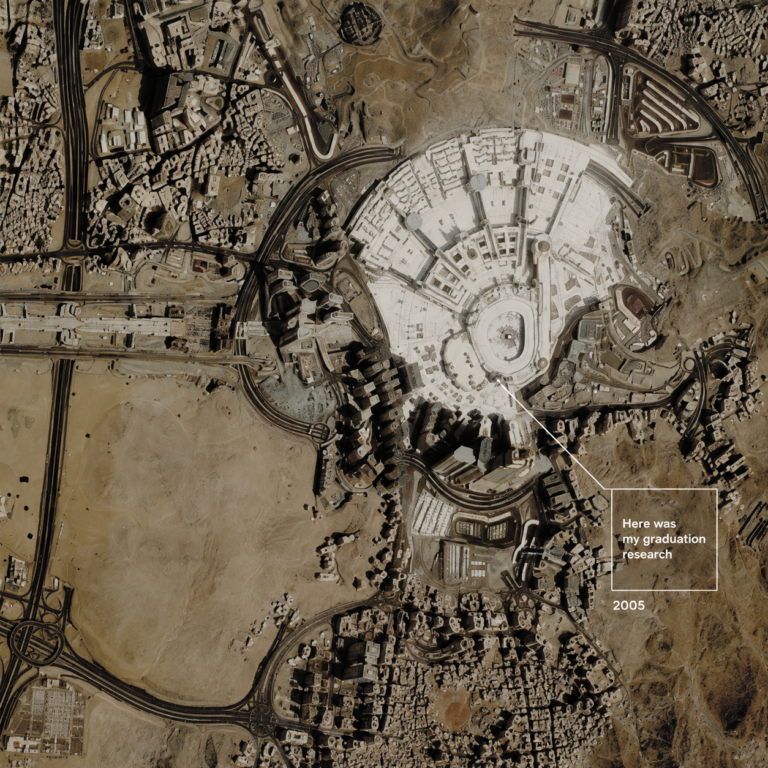
This archival study examines the vertical development of Jabal Turk, a mountain formerly located near Makkah’s Grand Mosque. Originally a…

Stand on the mountains above Makkah four hundred years ago and you would not have seen a single ship. Stand…

From an aircraft, or from a satellite, the oldest human decision in Arabia is still visible. Across the black lava…
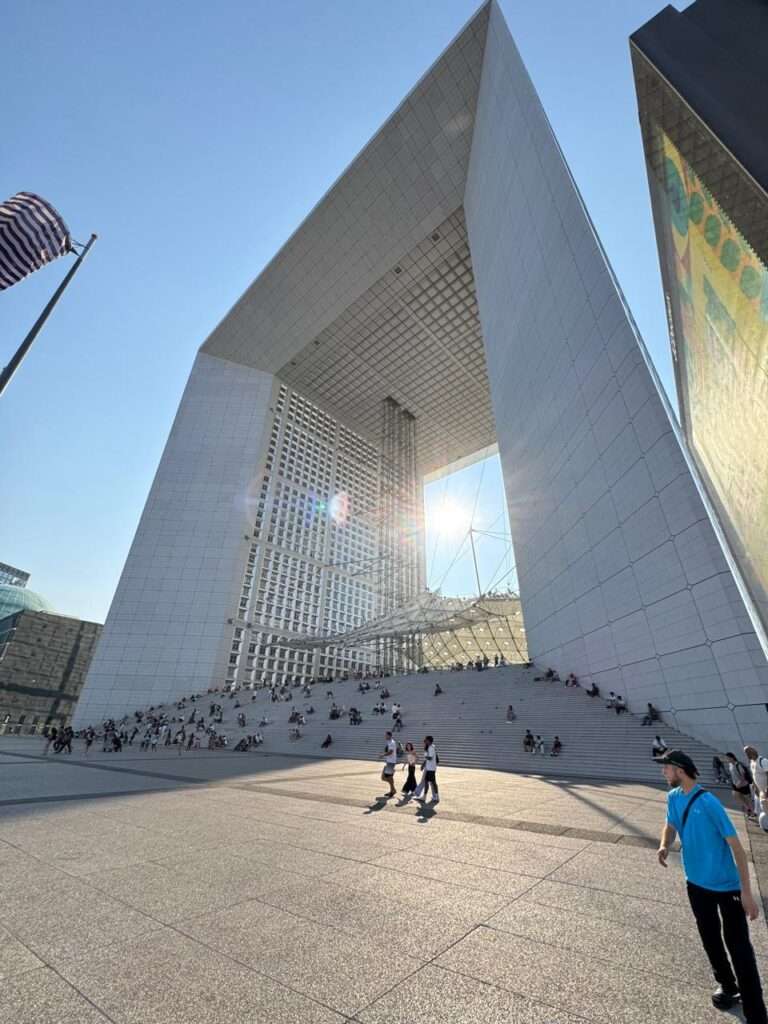
An architectural return to the La Défense district in Paris reveals the physical and social shifts occurring over twenty years….
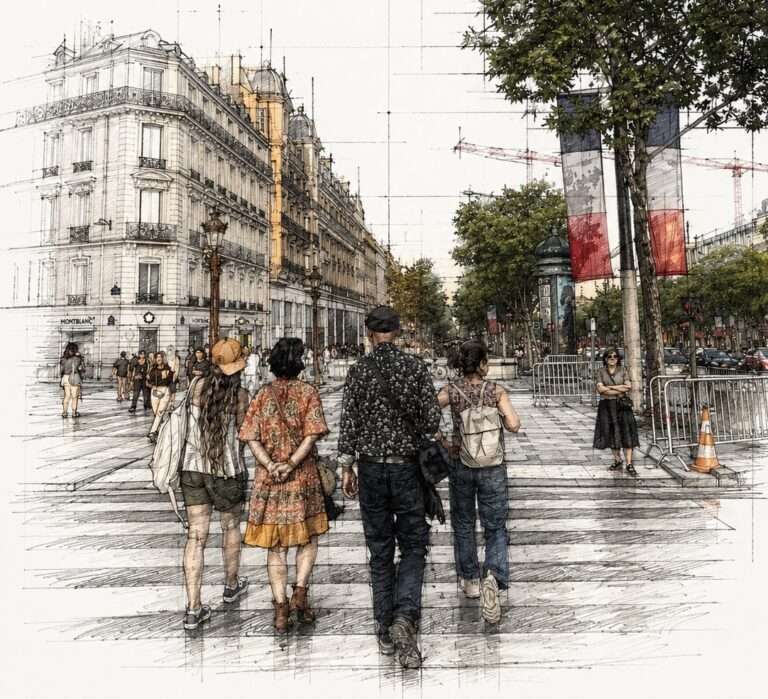
The frequent pickpocket warnings in the Paris Métro reflect a specific approach to urban authority and security. By addressing passengers…
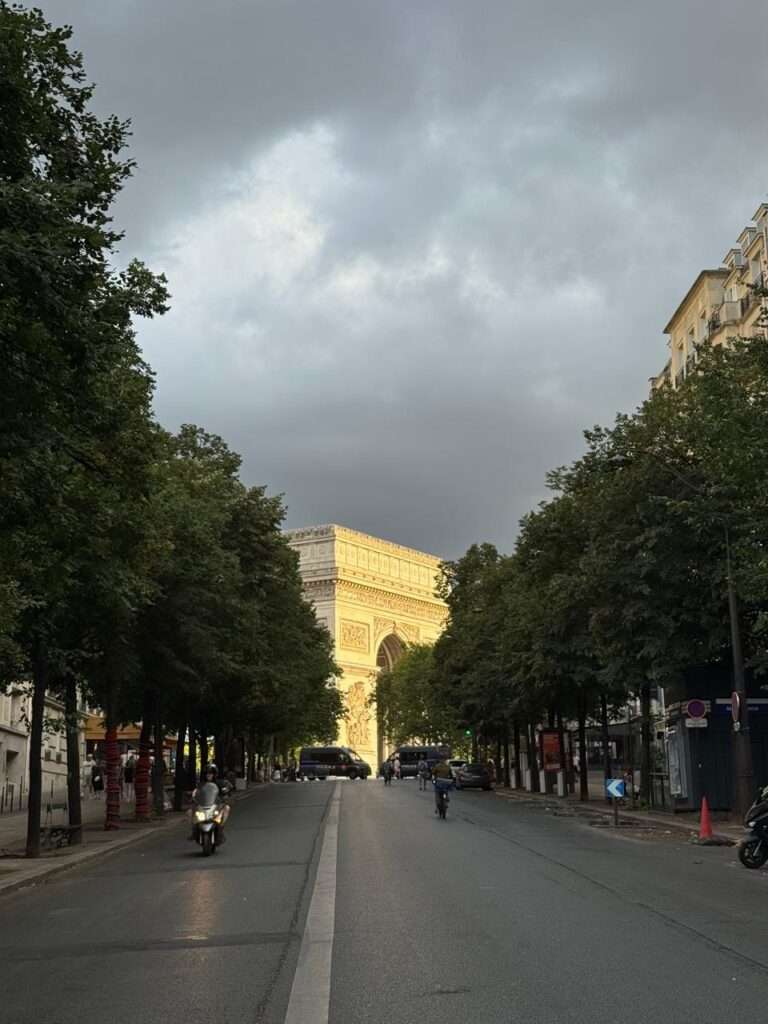
The final stage of the 2026 Tour de France transformed Paris from a vehicle-dominated space into a pedestrian-oriented commons. The…
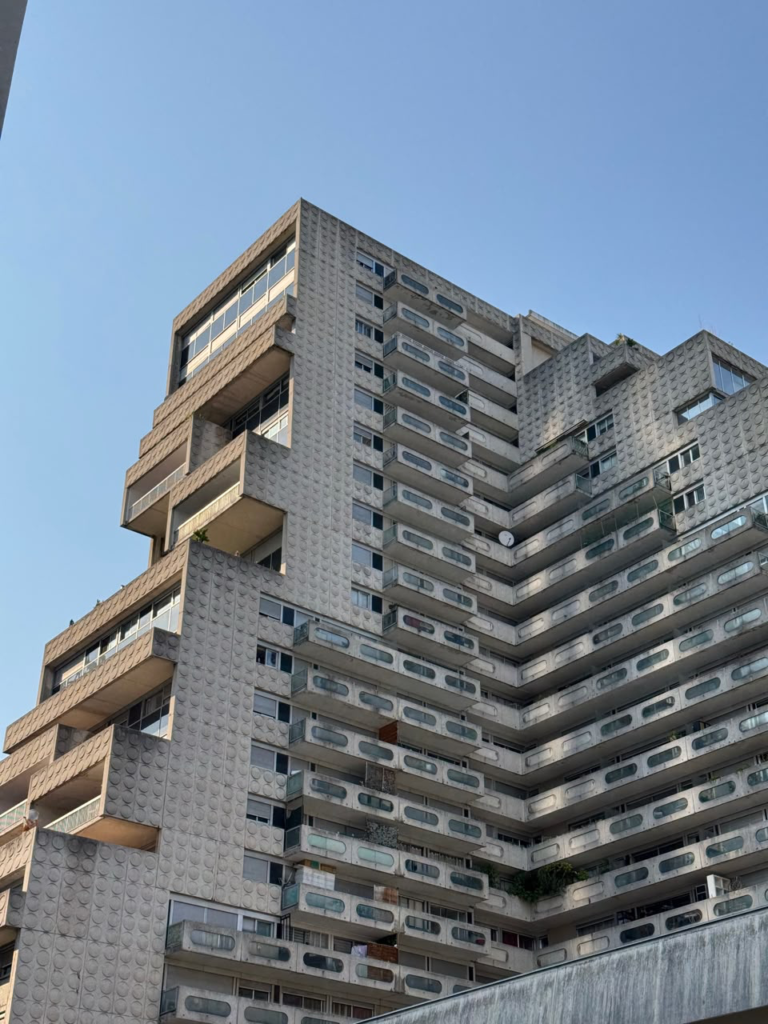
The Les Damiers and Les Miroirs complexes near Paris’s La Défense district represent an ambitious Brutalist effort to integrate residential…
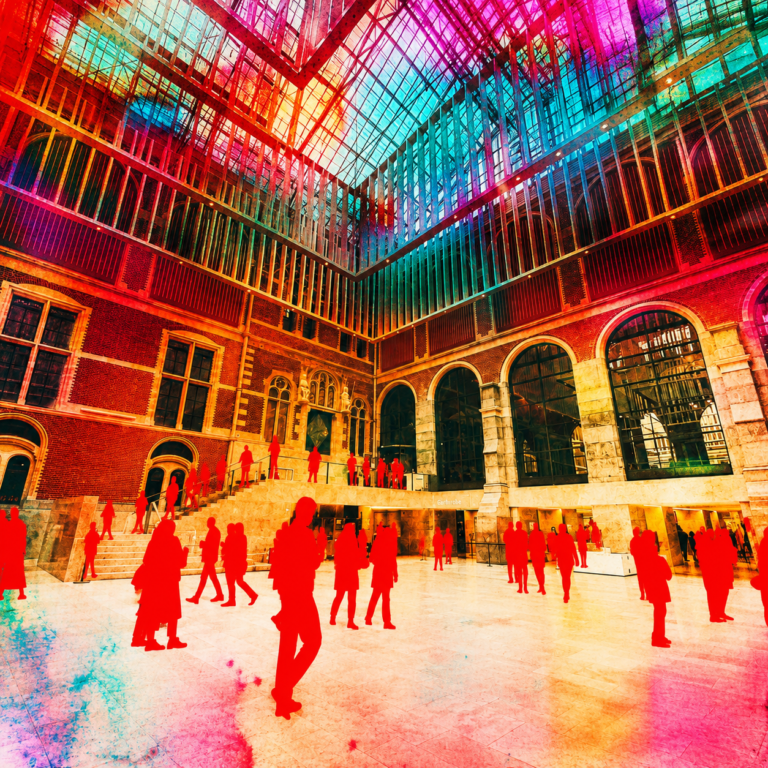
Global population projections indicate growth will likely peak this century, driven by declining fertility rates rather than increased mortality. This…

The 2026 World Cup triggered global social jet lag, disrupting the biological rhythms of fans and cities in distant time zones. By prioritizing North American broadcast schedules, the tournament forced populations to override daily routines, impacting energy and infrastructure. This highlights the need for temporal urbanism, accounting for how global events manipulate a city’s collective clock.

Criticism of FIFA’s leadership regarding private flight emissions overlooks the systemic environmental impact of hosting the World Cup across three…

The 2026 World Cup reflects a significant shift in sports architecture, where stadiums function as multi-purpose entertainment complexes rather than…

A question posed by an architecture student — whether to build a place of worship, a school, or a hospital…